
Governance & Commercial Delivery
From Certification Strength to UK Delivery
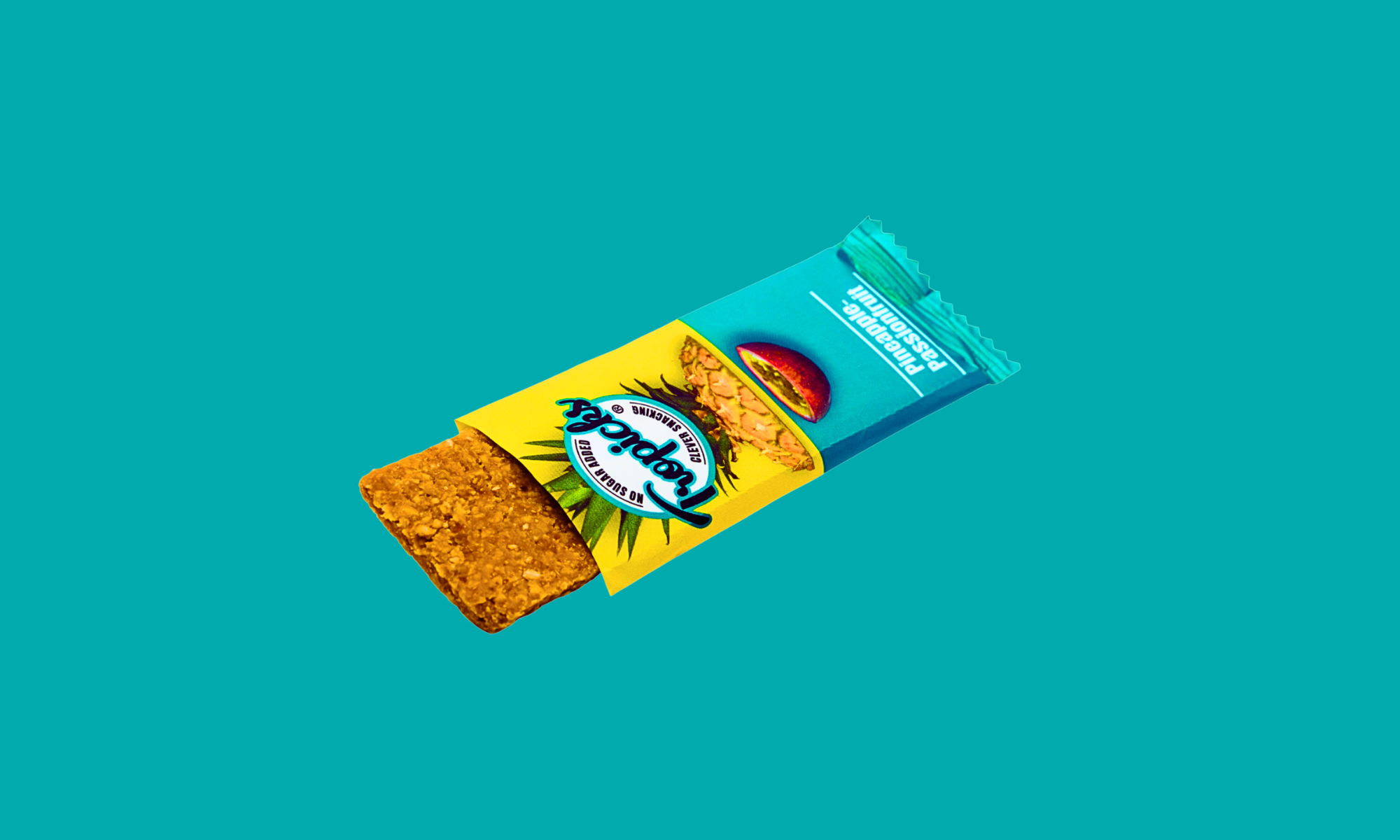
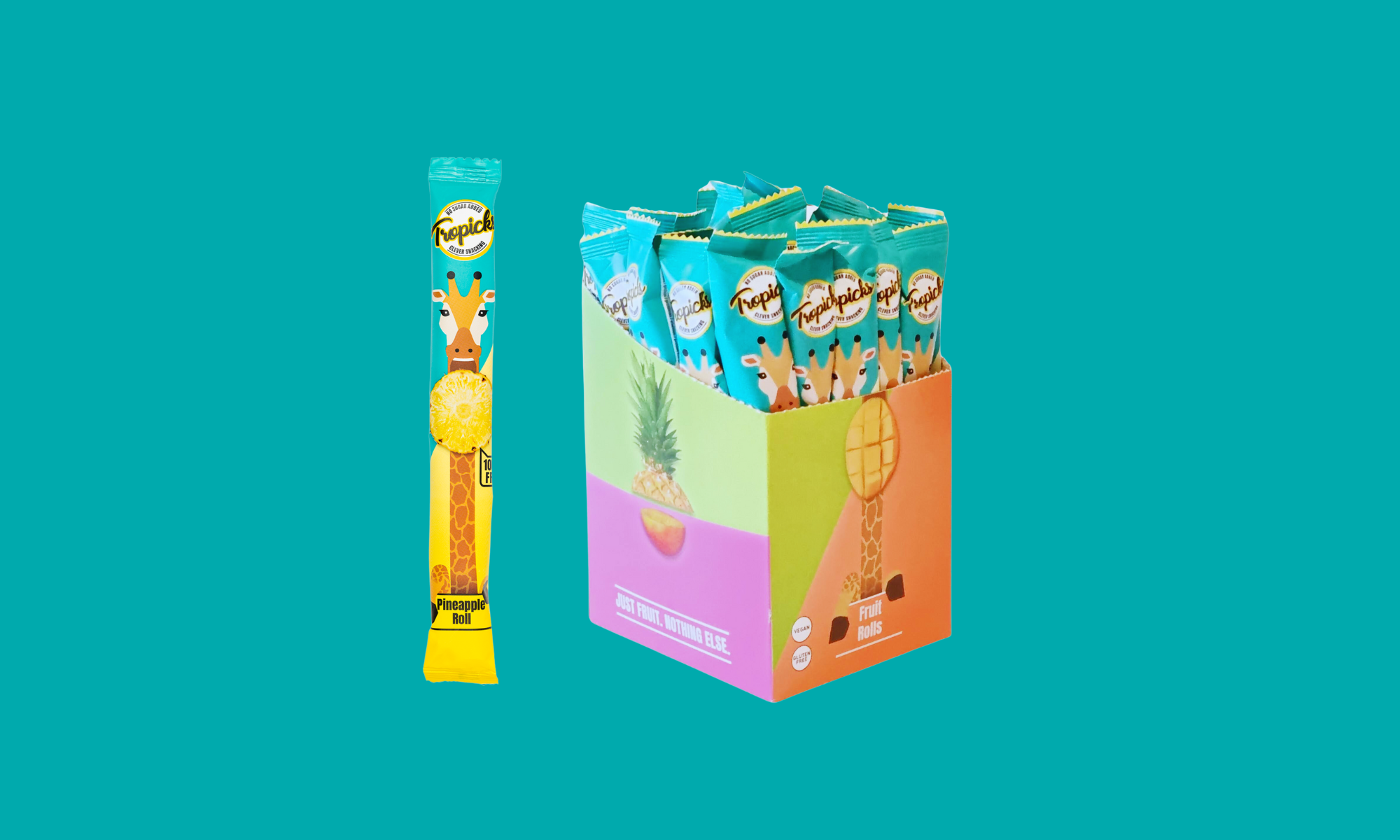
Tropicks, produced by HPW AG in Ghana, operates within certified BRCGS and IFS standards, Fairtrade and Organic supply chains, and renewable energy powered production. Fabmundo led UK market entry, translating existing certification strength into retailer-ready execution, stakeholder confidence and commercially viable growth while protecting impact integrity under pressure.
Challenge
Despite strong credentials, Tropicks entered a saturated, margin sensitive UK category where impact claims face scrutiny. The objective was securing durable listings while navigating working capital strain and entry costs, proving the supply chain model could withstand audit, margin, and commercial pressure.

Strategic Leadership
Fabmundo designed and executed the UK growth programme, integrating existing certifications and smallholder sourcing into a disciplined wholesale strategy. The approach balanced buyer margin expectations and governance requirements, embedding impact credibility as an operational standard rather than a marketing narrative.
Programme Delivery
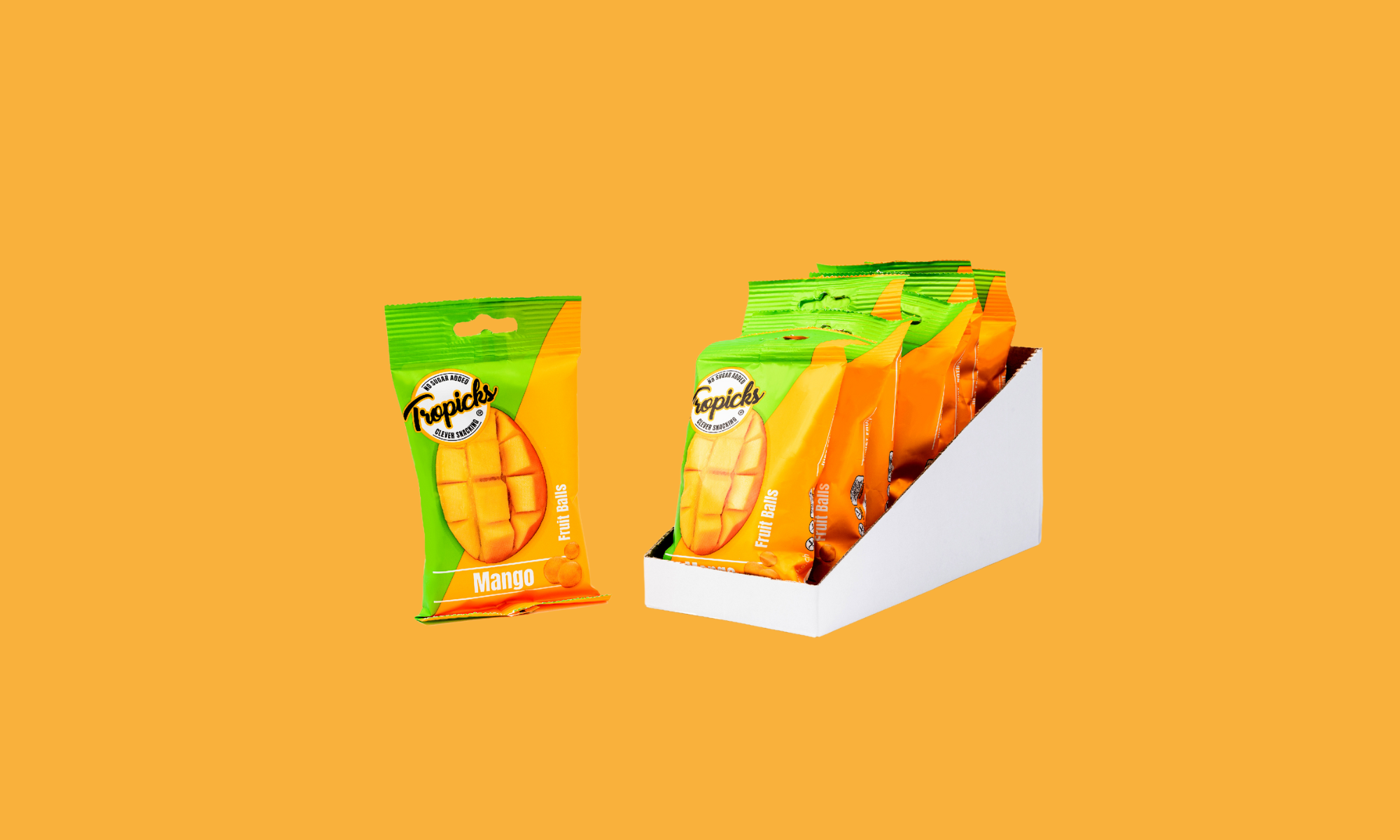
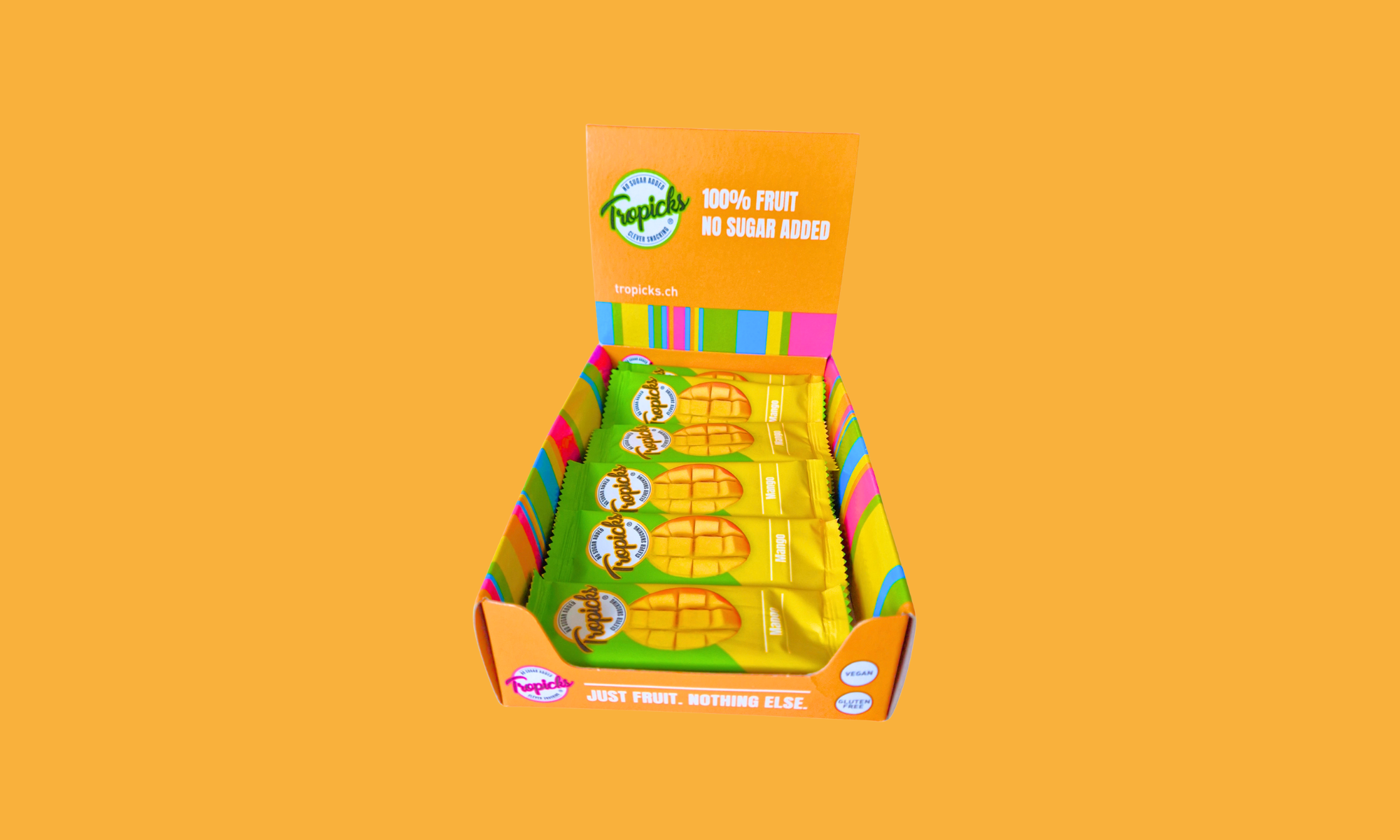
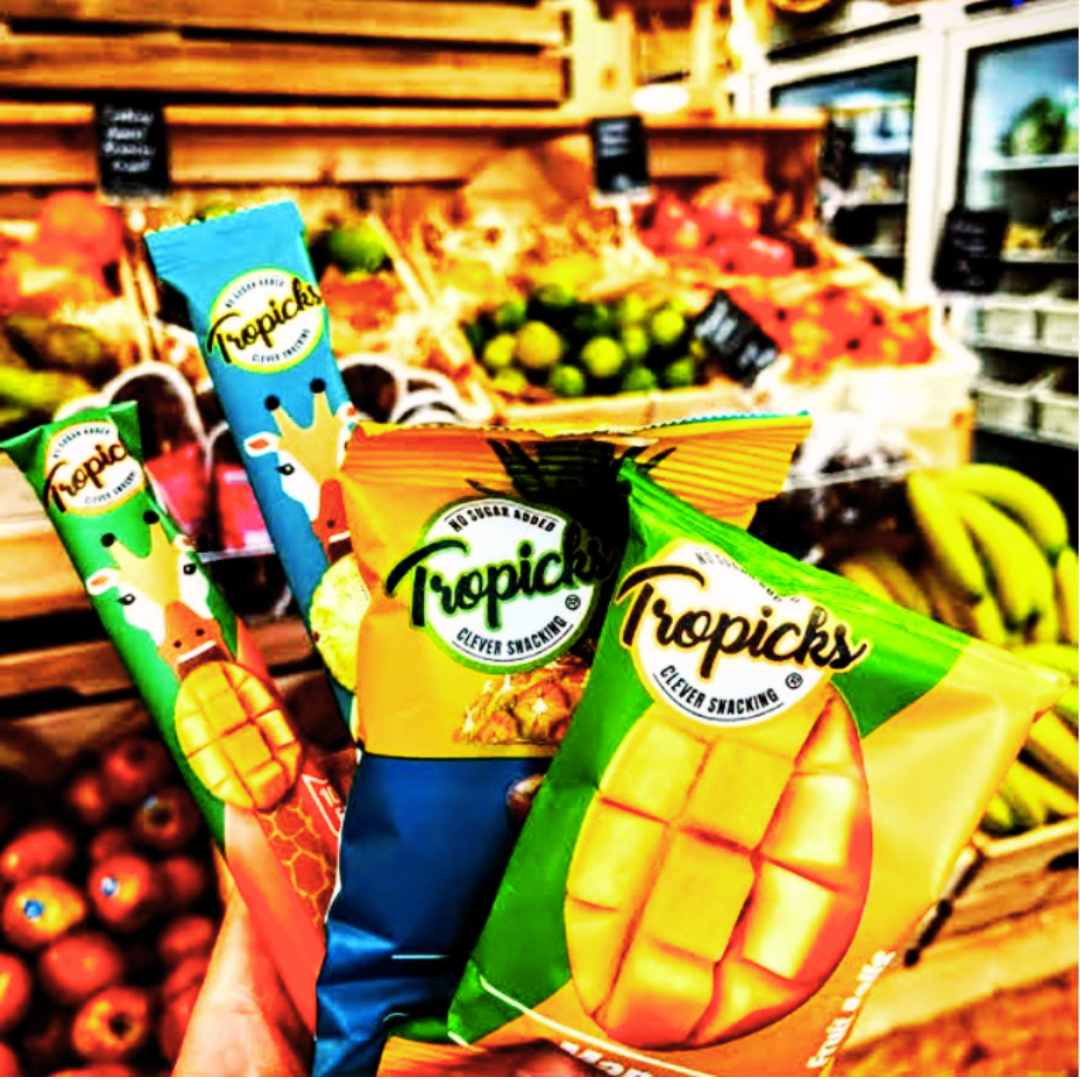
Fabmundo coordinated UK market entry across certification, supply chain, buyer engagement and route-to-market delivery. National distribution was secured through Suma, Greencity, Essential Trading, Infinity Foods and Unicorn Grocery, creating repeatable access to independent retail and convenience channels.
Outcome
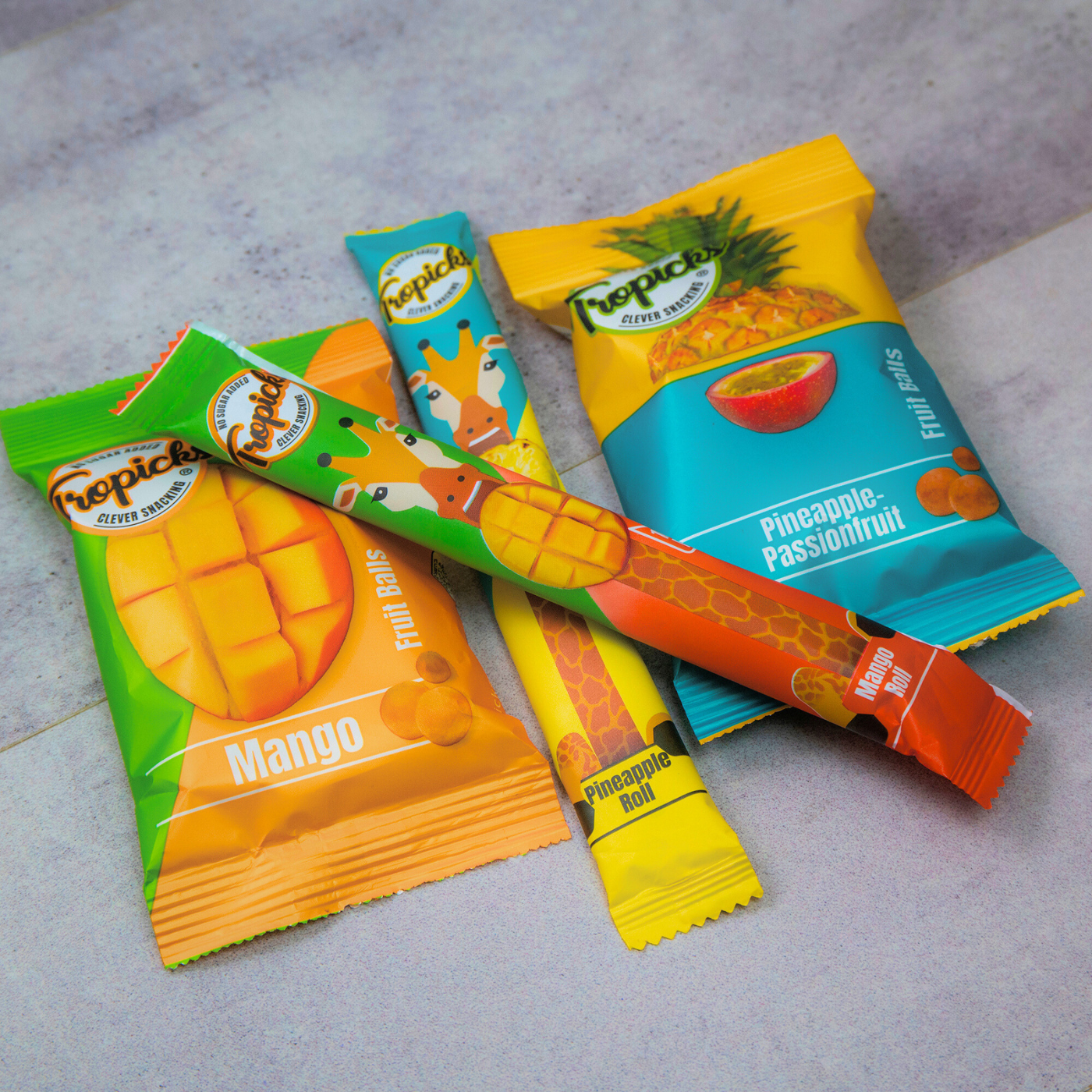
Established a credible UK wholesale presence, aligning certification, supply chain and route-to-market delivery. The programme connected over 1,400 smallholder farmers to stable export demand while supporting fruit waste reduction and biogas generation, demonstrating responsible growth through disciplined governance and delivery.

Social & Environmental Impact (via HPW AG)
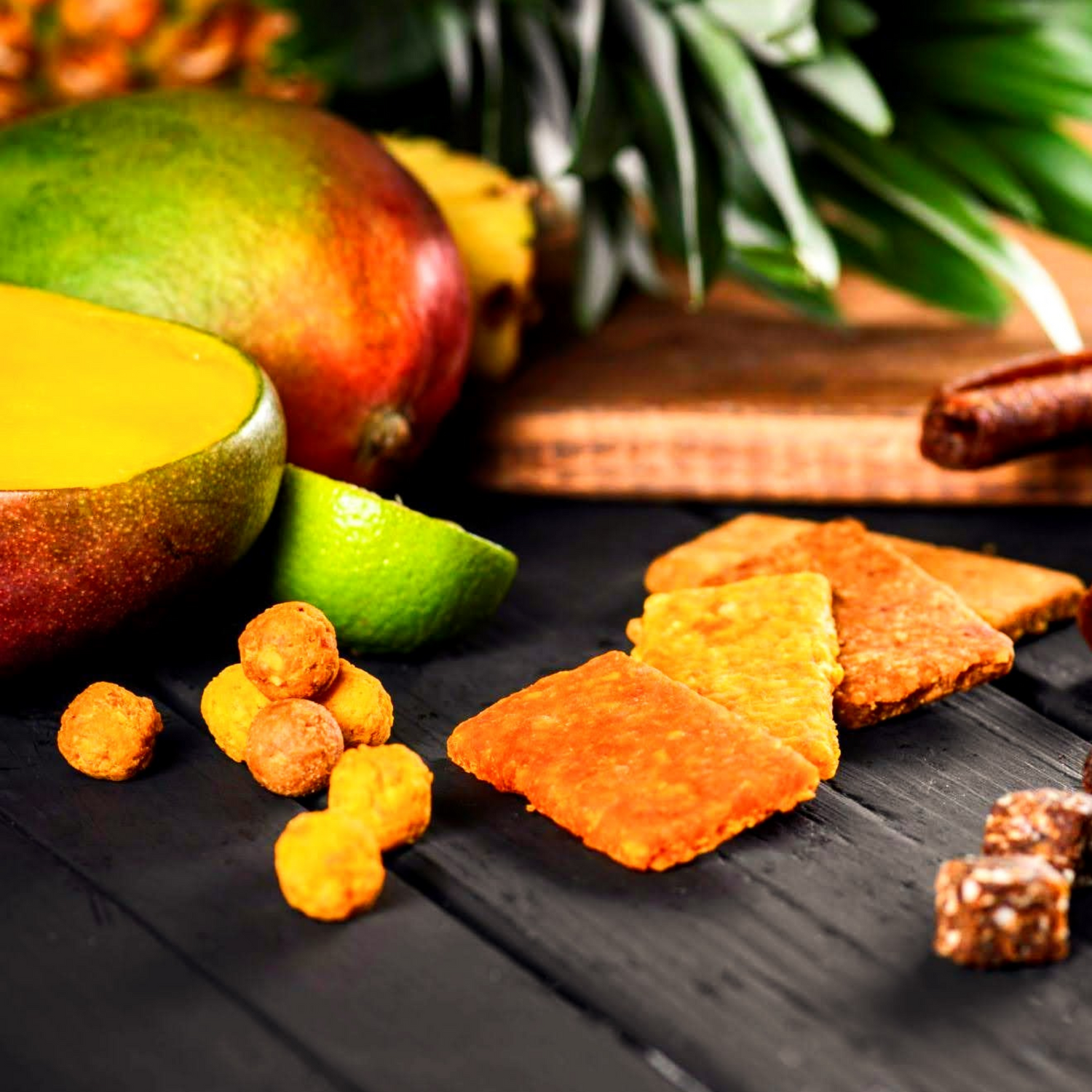
Production operates under Fairtrade, Organic, BRCGS and IFS standards, supported by solar powered infrastructure. Over 1,400 smallholder farmers are integrated into export supply chains, while surplus fruit and peels are processed into value added products and biogas, reinforcing circular production and income resilience.


